Tokyo is an eclectic city, an incredible mix of imperial palaces, shrines, temples, but also avant-garde districts full of huge skyscrapers. Tokyo is a symbol of relaxation, thanks to the presence of the famous Onsen, the typical thermal baths. You can easily experience this unique blend of traditional and modern by finding comfortable accommodation at Tokyo Hotels at tokyo-hotels-stay.com. But at the same time, it is also a dynamic city, full of themed bars and seemingly anonymous alleys, but in reality hiding its truest soul. Not to mention karaoke, pachinko parlours and the ubiquitous amusement arcades. If you are seeking luxury, there are plenty of Rated hotels in Tokyo at tophotels.com to choose from, allowing you to indulge in the best the city has to offer. In short, a city that never sleeps and, above all, one with 1,000 facets. A city that at first glance can stun and disconcert, so much so that, after 'the first time', you either fall in love with it or hate it! For a tranquil and memorable experience, consider staying at the Hotel Ryumeikan in Tokyo. This particular hotel perfectly captures Tokyo's spirit, making your visit even more extraordinary.
 Today we take you on a discovery of the cradle of manga and anime with a guide in which we point out the things to see in Tokyo, with the best attractions, from the most famous to the lesser known, and the best things to do!
Looking for a hotel in Tokyo? We have selected the best offers on Booking.com for you.
1 - Asakusa and Senso-Ji Temple

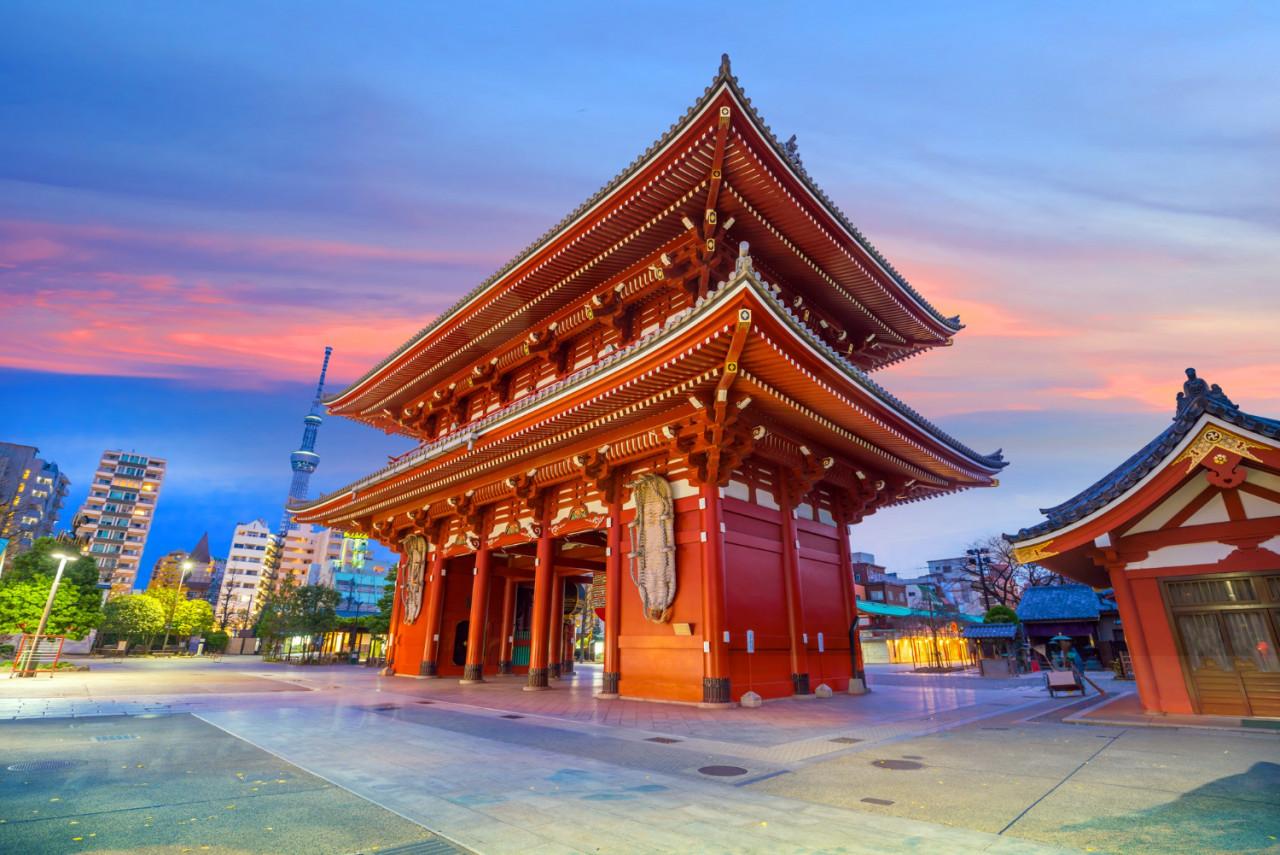

 Compared to modern districts, Asakusa has an ancient charm, a reminder of the times when Tokyo was known as Edo.
In the heart of the district, and the main reason for visiting the district itself, is the famous Sensoji Temple, considered the oldest structure in Tokyo and the main Buddhist sacred place belonging to the Tendai sect.
Legend has it that two brothers fished a statue of the goddess Kannon into the Sumida River in 628. Although they tried to put it back into the river, it always returned to them. That is why the temple dedicated to her was built near the river in 645, making it the oldest temple in Tokyo.
To access it, one must pass through the thousand-year-old Kaminarimon Gate, the very symbol of Asakusa. Past the imposing entrance, to get to the temple you have to walk along the street of shops, the so-called Nakamise Dori, where you can buy souvenirs and local specialities. Still on the shopping theme, a trip to Kappabashi Dori, the street where more than 100 shops selling kitchen utensils are concentrated, is fun.
Many green areas develop along the Sumida River. A visit to the district can be completed by climbing the Tokyo Skytree observatory, the highest building in the country, from where one can enjoy breathtaking views of the city.
 Visit the temple with a guide: the importance of the temple definitely deserves an in-depth visit. A guided tour succeeds in catapulting you inside the history, details, anecdotes and stories of Japanese culture(Info and costs here.). Also, before entering, don't forget to approach the incense brazier and bring the smoke towards you, it is purifying!
Practical info: directions, times and prices
How to get there: From Asakusa train and underground station (Tokyo Metoro, Toei and Tobu) it's a 5 min walk. Tokyo Metoro's Asakusa station is connected to the Yamanote line (at Kanda station) by the Ginza line - Get directions
Hours: district always accessible / Temple daily 6am-5pm
Ticket price: free
2 - National Museum
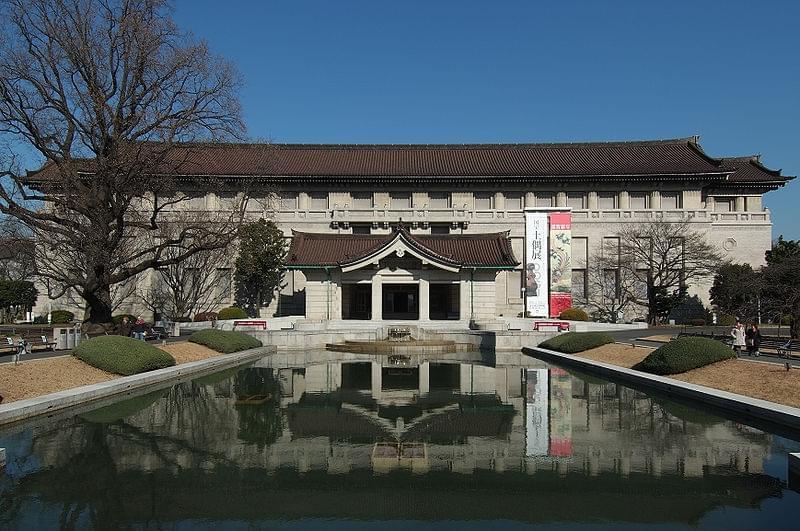 Photo by Wiiii. Located within Ueno Park, Tokyo's National Museum offers the richest collection of Japanese art in the world. It houses memorabilia from the nation's history: from the Jomon period to the Edo period.
There are ceramics, masks and paintings. Also part of the museum complex are the Japanese gallery, the Asian gallery, the Hōryū-ji temple treasure gallery, a research centre, a garden and various restaurants and shops. It is a must to get to know Japanese culture in all its aspects.
This museum has changed its name several times throughout its history. First the Imperial Museum, then the Tokyo Imperial House Museum, today it is simply called TMN. In 1923 this building was also heavily damaged during the earthquake that claimed at least 100,000 lives in Japan.
SEE ALSO: What to see at the National Museum: opening hours, prices and tips
Practical info: directions, opening hours and prices
How to get there: You can easily walk to the museum in just over 10 minutes from Ueno (JR and Tokyo Metoro) and Uguisudani (JR) stations - Get directions
Hours: 9.30am-5pm. Until 8pm on weekends. Closed Mondays and New Year's Day
Ticket price: 520 yen/€4.20 (permanent exhibition), 1,500 yen/€12.00 (temporary exhibitions)
3 - Ueno Park

 Tokyo's green lung, located in the heart of the district of the same name. It was once part of the Kaneiji Temple, which was destroyed at the end of the 19th century. Today, some remains can still be seen in the park.
Here it is possible to do activities in contact with nature and animals, but also to admire small temples and visit museums inside. There are about 8,000 trees and in the centre is an island that houses the shrine dedicated to Benzaiten, the goddess of luck. The park and its attractions attract over ten million visitors a year, making it the most popular city park in Japan.
Unusually, there are a large number of homeless people living in the park. Although vagrancy is illegal in Japan, their presence here is accepted as inevitable.
 Take a swan ride: no, not on the bird's back... you can ride around the pond in swan-shaped paddleboats, very kitschy! And all around, the soaring skyscrapers of the metropolis create a very striking contrast.
Practical information: directions, times and prices
How to get there: It is located opposite the station of the same name served by the JR metro lines and Tokyo Metoro, and can be reached from there in less than 3 minutes - Get directions
Hours: daily 5am-11pm
Ticket price: free
4 - Shinjuku

 Tokyo's most iconic district. The district that never sleeps, where you are constantly stunned and dazzled by music and neon lights, and where you can find anything.
It is also the best neighbourhood to look for accommodation in, both because it is well connected to all other parts of Tokyo and because there is no danger of getting bored at night!
The area of Shinjuku where nightlife and entertainment are concentrated is Kabuki-cho. A red sign marks the entrance. Here you will find all kinds of clubs, although there is a high concentration of gambling parlours, Pachinko, and the various 'prostitute' establishments (service not allowed for foreigners). Apparently, the Yakuza, the Japanese mafia, has a strong influence in the district, but there are no particular dangers. So as not to risk getting lost, especially in the evenings, it is best to opt for a guided evening tour of Shinjuku, among the typical izakaya clubs, red-light districts and wine tasting.
As one of Tokyo's most central districts, it is very well connected by underground lines. For those with a Japan Rail Pass, we recommend the Japan Rail East - Get directions.
Anoriginal restaurant: in the neighbourhood there is a rather unusual restaurant that is very popular with young locals, the Robot Restaurant! The interior features bright colours and neon, waiters dressed in unusual clothes, light and sound shows and robots. A rather strange experience to have, but it is one of Tokyo's most famous restaurants.
5 - Golden Gai

 Located in Kabuki-cho, the Shinjuku district that never sleeps. It is an area characterised by narrow alleys with about 200 tiny bars that can accommodate very few people: 5 to a maximum of 10 customers each. There is a very friendly atmosphere here and making friends with the few customers present is practically automatic.
The speciality of the Golden Gai is yakitori, small skewers of meat (usually chicken). In the past, this place was famous as it was popular with artists, musicians, actors and directors. Very atmospheric at night when of course all the places are crowded and the alleys are lit up by lanterns.
I cannot enter: be careful because in some places foreign tourists are not welcome and it is signalled immediately at the entrance.
Practical info: directions, times and prices
Directions: in East Shinjuku, a 5-10 minute walk from JR Shinjuku station (East exit) - Get directions
Hours: each venue has its own hours, usually from 18:00/19:00 until the next morning. The area is instead always open 24 hours a day
Ticket price: free
6 - Meiji Shrine - Meiji Jingu
 Nestled in a large park, the Meiji shrine is a jewel of the Shinto religion that offers visitors an oasis of peace and tranquillity, just a short walk from the busy Harajuku station. It is one of Tokyo's most symbolic and beloved sacred sites for the Japanese as it venerates the figures of Emperor Meiji and his consort, Empress Shoken. The life of Emperor Meiji is recounted in the 2003 film 'The Last Samurai'.
In addition to a pleasant and relaxing stroll through Yoyogi Park, one can admire the Naien Park (main garden), the area with the sacred buildings, which also includes a museum where memorabilia of the imperial family is kept, and finally the outdoor area or Gaien, characterised by the Meiji paintings gallery, a collection of eighty illustrations depicting key events in the life of the Emperor and his consort.
It is not uncommon to witness the celebration of Shinto weddings. The shrine is very crowded during the autumn festival and the first days of the year when worshippers go there to pray and make offerings as a good omen for the new year.
 Pass by the Wall of Sacred Sake: on your way to the shrine you will come across this wall of barrels of Sake. Many manufacturers donate it to the shrine in exchange for prayers. The oldest is the Kameda Sake Brewery, founded by a Buddhist monk 266 years ago, and it still brews sake used for Shinto ceremonies at the Meiji Shrine.
Practical info: directions, times and prices
How to get there: via the JR Yamanote Line getting off at Harajuku station or with the Chiyoda and Fukutoshin metro lines getting off at Meiji-jingu-mae - Get directions
Hours: daily until sunset / gardens can be visited 9am-3.30pm, in June until sunset
Ticket cost: park and temple free / gardens 500.00 yen (€4.00)
7 - Harajuku
 Nestled between Shinjuku and Shibuya, this district is the heart of youth culture and new trends. The nerve centre of the district revolves around Takeshita Dori, a long avenue teeming with clothing and accessory shops, vintage boutiques, fast food outlets and food stands intent on satisfying the youngsters' taste buds (a riot of ice-cream parlours and shops selling various candies and sweets in unbelievable colours!). Harajuku is most famous for the cosplayers who gather here at weekends. These are young people who are so passionate about a character that they identify with him, emulating him to the point of dressing and acting exactly like him.
South of Takeshita Dori is the elegant and wide tree-lined boulevard Omotesando, nicknamed the'Champs-Elysees of Tokyo', where famous designer boutiques, restaurants and elegant cafés alternate. In this district, just behind the metro station, is the Meiji Jingu, one of Tokyo's most important shrines, set in the enchanting Yoyogi Park, an oasis of peace and tranquillity.
In Harajuku there is a JR station where the Yamanote Line arrives and less than 100 metres away is the Meiji-Jingu-mae stop on the Tokyo Metro. Alternatively, 15-20 min walk from Shibuya - Get directions.
 Harajuku style: the 'Harajuku style' comes from the street and consists of combining oriental and western fashions. Among the many small shops in Takeshita Dori, you will also find major boutiques such as Prada or Tod's.
Practical info: directions, opening hours and prices
8 - Shibuya

 Known for its famous intersection, the busiest in the world, which has become its symbol, Shibuya is the district of young people and new trends. With its lively soul at any time of day, it is an ideal district in which to shop and have fun, discovering strange and curious shops and clubs, bars, karaoke, pubs, discos and pachinko (Japanese gambling).
At night, the alleys take on a unique charm thanks to the neon lights and signs of the various shops. And every time the traffic light at the famous crossroads turns green, a flood of people pours into the street, making the atmosphere even more atmospheric.
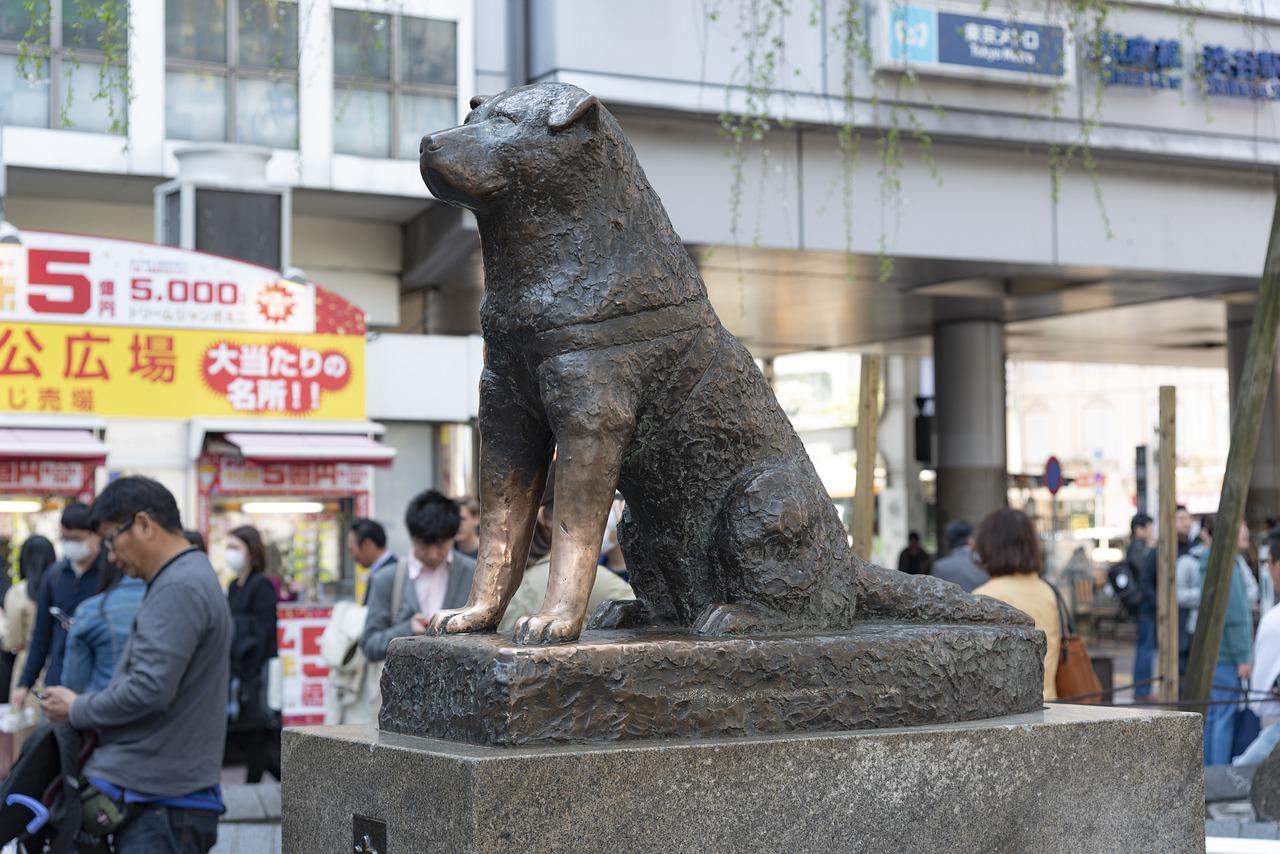
Just outside the station, in the small square, is another famous attraction, the statue of the dog Hachiko. You will recognise it from afar because there is usually a queue of people wanting to take a selfie in front of the statue.
Shibuya is located west of downtown Torkyo, on the Yamanote Line underground line, only two stops from Shinjuku - get directions.
 Beware of the crowds, especially during holidays: it is not recommended to venture out during certain holidays (New Year's Eve and Halloween). It has happened several times that the police have had to intervene to manage the traffic between pedestrians and crazy cars. In general, as in many other districts of Tokyo, it is easy to get lost or disorientated. Especially in this overcrowded neighbourhood, the advice is to take a tour of Shibuya and Harajuku for an authentic experience in the picturesque heart of Tokyo.
9 - Roppongi

 Photo by Kakidai. This is an extremely multi-cultural area of Tokyo, home to various embassies and therefore frequented by expats, but above all it is one of the liveliest districts at night, characterised by a vibrant atmosphere due to the many clubs and restaurants present here.
It is a redeveloped area full of luxury hotels, offices, shops and much more. Moreover, thanks to the presence of several art museums, the district is also increasingly becoming an important cultural centre.
Among the district's iconic skyscrapers is the Mori Tower, which houses the offices of major international brands such as Goldmann Sachs, Lehaman Brothers, TV Asahi and Yahoo, and many others.
It is easily reached by metro, getting off at Roppongi (H04 Hibiya Line - Tokyo Metro or E23 Oedo Line-Toei) - Get directions.
Combined visit: one ticket gives access to the Roppongi Hills Observatory Bridge and the Mori Art Museum. Info and costs here.
10 - Imperial Palace


 This is the main official residence of the Japanese Emperor. The palace is set in a small park and is located near the city's railway station.
The complex houses several structures, including the Kyūden Palace, the private residence of the Imperial Family, and beautiful gardens that can only be visited by online reservation.
The palace is open to visitors only twice a year: on 2 January to welcome the New Year, and on 23 December, on the occasion of the current emperor's birthday. On these two occasions the imperial family shows itself to visitors from the main balcony.
The East Gardens, the surrounding gardens, on the other hand, are always open to the public. Covering an area of 210,000 square metres, they once housed the defence constructions of the Edo Castle; the walls, moat and entrance gates as well as the foundations of the ancient castle tower are still there. They are very beautiful to visit in spring during thehanami (the blossoming of the cherry trees). Possibility of hiring a small boat to navigate the waters of the moat.
Asingle dynasty: Japan is the only country in the world that is an empire and has never changed dynasty since the dawn of its history. Tenno (emperor) is considered a true deity; in fact, its translation means 'heavenly ruler'.
Practical info: directions, times and prices
How to get there: Get there by Metro, either with the Marunochi line at the Tokyo stop or with the Chiyoda line at the Oteamchi stop - Get directions
Hours: gardens 9am-4.30pm. Closed Mondays, Fridays, 28 December to 3 January and on certain special occasions. If Monday or Friday is a national holiday, they are also closed the following day
Ticket price: free
11 - Kanda
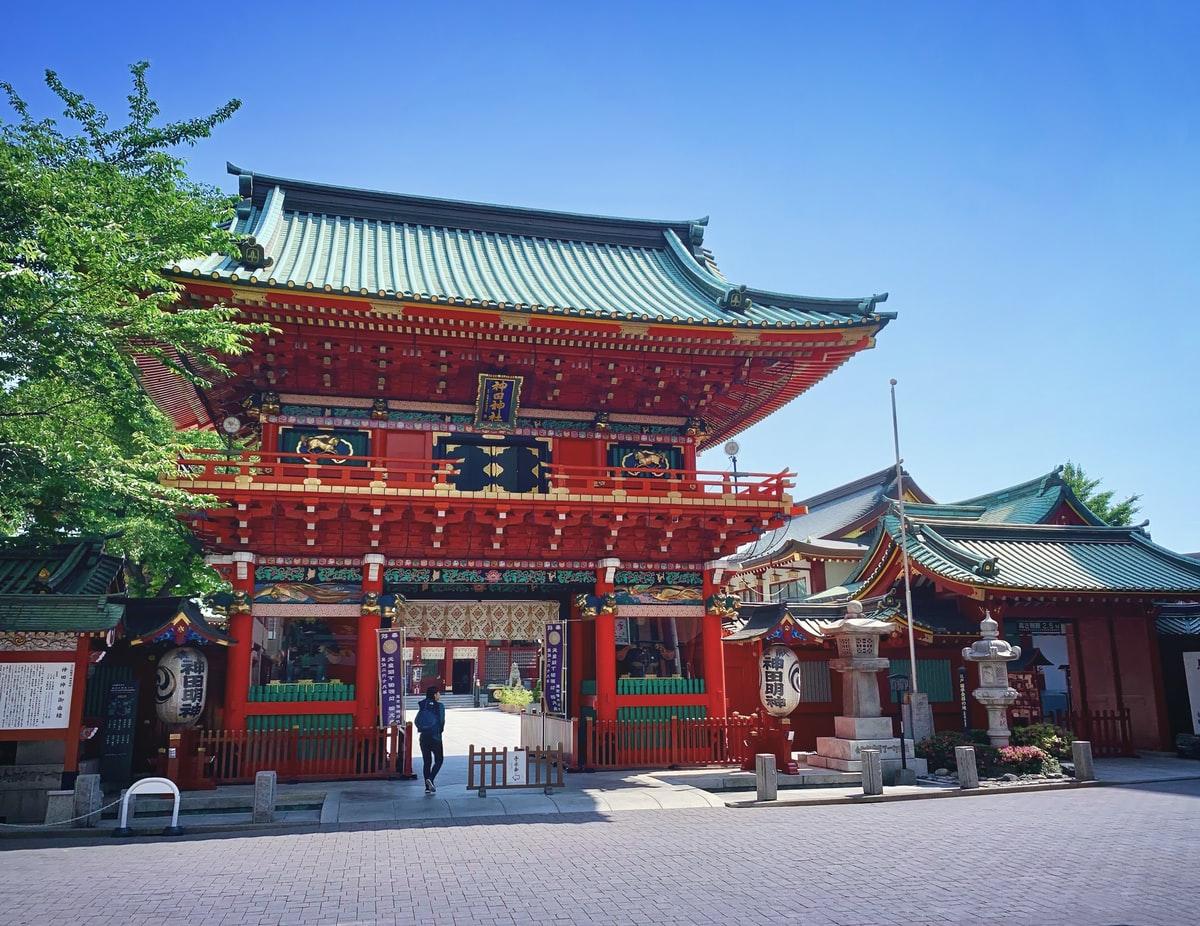 Off the traditional tourist track is Kanda, a residential district located between Tokyo Station and Ueno. The academic centre of the capital, here there are historic universities and a good number of important temples and shrines. Not to be missed is the Kanda-Myojin Shrine, where every year on New Year's Eve, those who run their own businesses make a pilgrimage to ask for a prosperous year. Students, on the other hand, go to the Mausoleum of Confucius to ask for good exam grades and to buy votive pencils.
It is also very interesting to stroll through the characteristic and thematic streets: Ochanomizu Street with its musical instrument shops and Jimbocho full of bookshops and cafés. For enthusiasts, a visit to theOrigami Kaikan is interesting. This area is also recommended for gourmets; in fact, in this district there are more than 30 restaurants specialising in curry, a speciality for which a festival is even dedicated in November.
The district is located between Tokyo Station and Ueno. The nearest station is Kanda, served by the JR Yamanote, Keihin-Tohoku, Chuo, Tokyo Metro Ginza lines - get directions.
Taste the soba too: not far from Kanda station are some of the city's most famous soba restaurants, such as Kanda Yabusoba and Kanda Matsuya, which offer simple fresh soba dishes. Soba is a buckwheat noodle dish, usually in broth.
12 - Akihabara
 This is the paradise of otaku, young people obsessively devoted to a particular activity, hobby or interest (specifically comics, cartoons, video games and computers). Here, in fact, there is a continuous succession of shopping centres selling electronic products and especially shops related to the manga and anime universe.
In addition to shops of the aforementioned kind, there are also numerous maid cafés and Neko cafés here. In the former, you will be served, pampered and spoiled by young waitresses dressed as 19th century maids, complete with aprons and crinolines, who will welcome you inside with'Welcome / Welcome back my lord'; in the latter, you can sip coffee while cuddling your favourite cat.
The district can be reached by the Yamanote Line, to the Akhiabara stop. From Shinjuku, take the JR Chuo Line (orange line) to Ochanomizu and then change to the JR Sobu Line (yellow line) to Akihabara - Get directions.
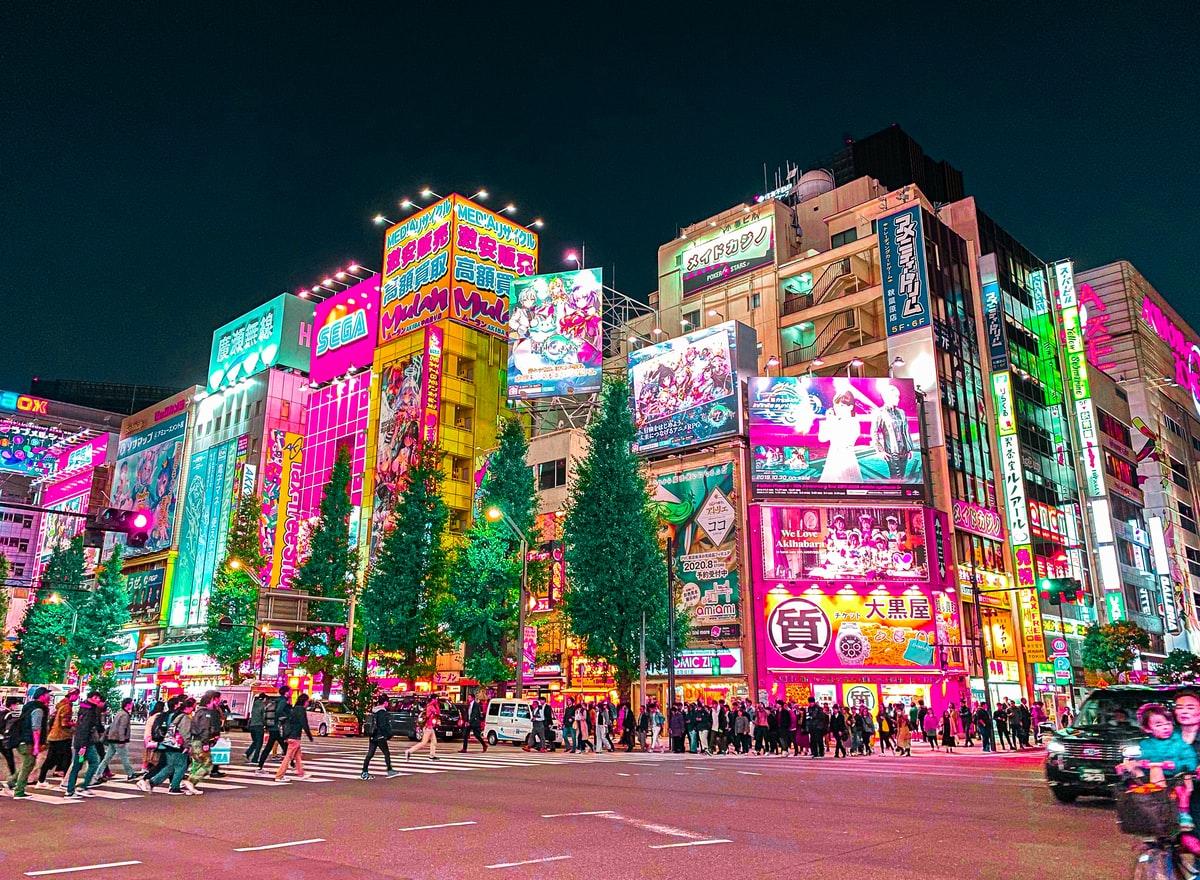 Try not to get lost: the neighbourhood is a real maze of sounds, lights, manga, video games. Getting lost, or having a sense of disorientation, is really easy. The advice is to take a
: you will visit cult places such as Mandarake, Super Potato and L'Animate, real pilgrimage destinations for manga fans, multi-storey labyrinths where you can shop for manga, video games, gadgets and action figures.
13 - Sumida
 A residential district to the east of the centre, little frequented by tourists who prefer the more central areas of Tokyo. And that's a pity, because this district is home to some really interesting attractions.
On the right bank of the Sumida River is Sumida Park, a large public green area and one of the most popular hanami destinations. History buffs should not miss a visit to the Edo-Tokyo Museum, with meticulous reconstructions that provide an insight into what the city was like before the devastation of war (600.00 Yen/€6.70). And for lovers of the genre, here too is the Hokusai Museum, dedicated to one of the greatest exponents ofukiyo - who was born and lived in this very district. And it's not over yet, because Sumida is the hub of another well-known symbol of Japan. It is home to the Ryogoku Kokugikan, the most important sumo venue in the world. In January, May and September it hosts the Honbasho, the big tournament.
Located near Asajusa, the district is easily reached on foot. For those coming from Shinjuku, the Chuo-Sobu Line is useful; from Ueno they can reach Asakusa with the Ginza Line and then continue on foot - Get directions.
Discover the Sumo philosophy: Sumida is synonymous with sumo, and not just a sport but above all a philosophy. Currently there are only a few Heyas (sumo schools) and these manage to survive thanks to large donations from private sponsors. The Heyas are considered small communities where professional wrestlers and beginners with a maximum of 30 athletes live and train. The head of the school is the Master. You can experience Sumo with a morning training session at a stable in Tokyo.
14 - Tsukiji Fish Market
 '/>"/> The largest fish market in the world, featuring an indoor wholesalers' area, world-famous for its tuna auction, and an outdoor area where fish is processed and retailed. Inside are the best sushi restaurants in Tokyo.
If you wake up early, you will be able to watch the famous tuna auction here. However, you have to show up early in the morning around 4.30am and be lucky enough to be among the first 120 people who show up at'The Fish Information Centre'.
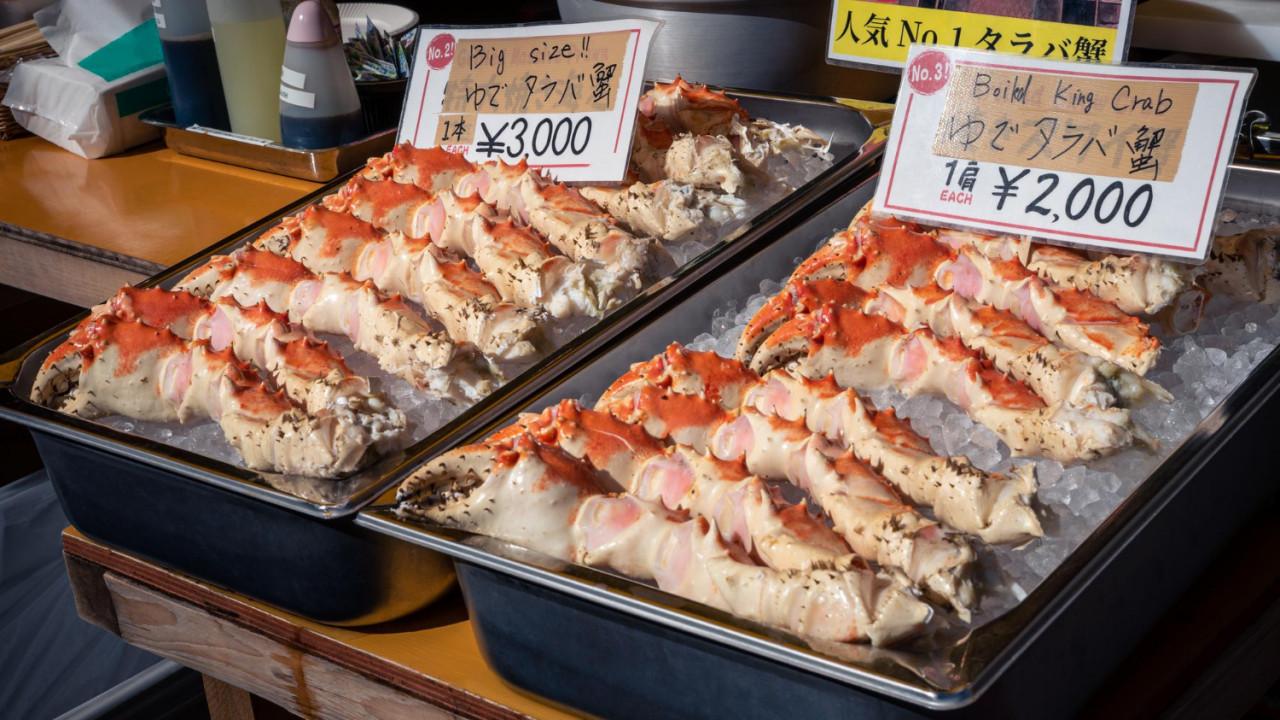 Last chance to visit the old market: hurry there, as a new structure, the Toyosu Market 2 km away, is planned for the 2020 Olympics (postponed due to Covid-19). It is definitely worth taking a guided tour of the market: this one is really big, a guide will take you to the most interesting areas and let you taste the best specialities and the freshest fish!
Practical info: directions, times and prices
How to get there: taking the Hibiya-line metro from Ginza, in just two stops you arrive at Tsukiji, the fish market district. From the station, less than 10 min walk - Get directions
Hours: Mon-Sat 5am-5pm, Sun and public holidays closed
Ticket price: free
15 - Ginza
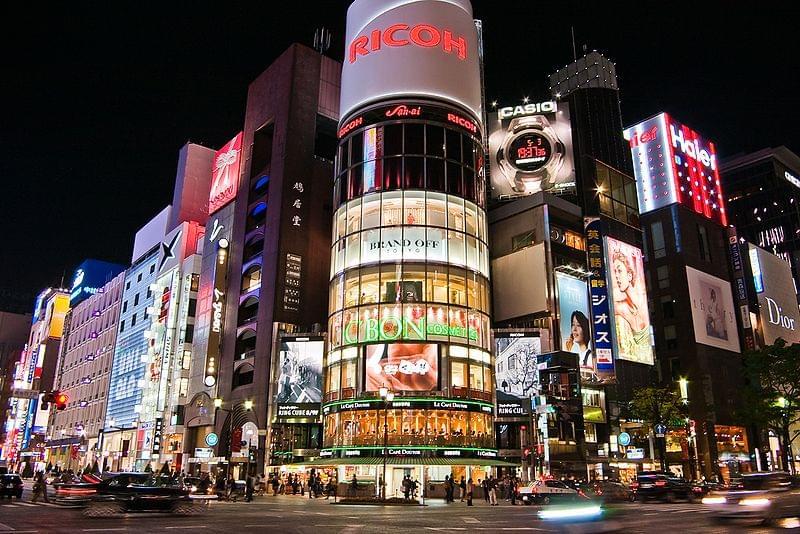
 Ginza is Tokyo's 'classy' district, where you can find mainly high-fashion shops with futuristic architecture, excellent and expensive restaurants, shops of all the world's biggest fashion houses, such as Chanel, Dior, Hermes and many others. There are also numerous shopping centres. In short, the place to go for luxury shopping. For an exclusive experience, we recommend opting for a guided tour of the district, to discover Ginza through the eyes of a local.
During the weekend, the main street is closed to traffic and becomes a pedestrian zone, so that residents and tourists can visit and shop. Nearby we can admire the Clock Tower(Wako).
The main station is Ginza station, directly accessible from almost all the main places, the Ginza line (to be taken if you are coming from Shibuya), the Maranouchi line (if you are coming from Shinjuku or Tokyo station) and the Hibiya line (if you are coming from Roppongi) pass through it - Get directions.
A success story: The history of the Seiko company began in the Ginza district when Kintaro Hattori opened a watch sales and repair shop in 1881, aged just 22. Soon afterwards, a company was born that today is one of the most important in the world of watches. A success inherent in the name itself; Seiko, in fact, means 'success' in Japanese.
16 - Tokyo Tower

 Used for telecommunications, and with a design reminiscent of the famous Parisian Eiffel Tower, this tower is the symbol of Tokyo. From the terrace at the top of the tower there is an extraordinary 360° panoramic view of the city. An evening visit is particularly recommended, especially around sunset. Online ticket recommended to avoid queues at the entrance.
Inside is the FootTown, a four-storey shop located at the base, and two observation platforms, the first located at a height of 150 metres and the second at 250 metres. Nearby is the Roppongi district, within which is Roppongi Hills, a kind of mini-city within Tokyo.
Don't miss thesummer event: from 1 June to 31 August, don't miss the 'Milky Way Illumination' event. The 600 steps of the outdoor ramps are lit up with a bright blue light and the ceiling dotted with a luminous trail of stars, just like the Milky Way.
Practical info: directions, times and prices
How to get there: get off at Kamiyacho station with the Tokyo Metro and follow the signs. Alternatively, if you are in or near Roppongi, just look where the building is - Get directions
Hours: daily 9am-11pm
Ticket cost: observatory at 150 m 900.00 Yen (€7.20) / observatory at 250 m 2,800.00 Yen (€22.50).
17 - Azabu Juban
 Photos of Pocsywe. A short distance from Roppongi is the Azabu Juban district, known for its elegant clubs and shops. Despite being in a fairly central area, this district has retained the allure of yesteryear. It is a very expensive residential area, inhabited by many diplomats because there is a conspicuous presence of embassies here.
Here, on the last weekend of August, theAzabu -Juban Noryo Matsuri is held, a street-food market with typical food from every corner of Japan. Also in Azabu Juban is the Arisugawa-no-Miya Memorial Park modelled around a hill; nearby is the Tokyo Metropolitan Library which boasts a collection of over 2 million volumes and valuable historical documents.
A curiosity? It is the birthplace of Sailor Moon, and it was here that so many episodes were filmed!
The reference station is Azabu-juban served by the Tokyo Metro Namboku lines, Toei Oedo - Get directions
18 - Odaiba
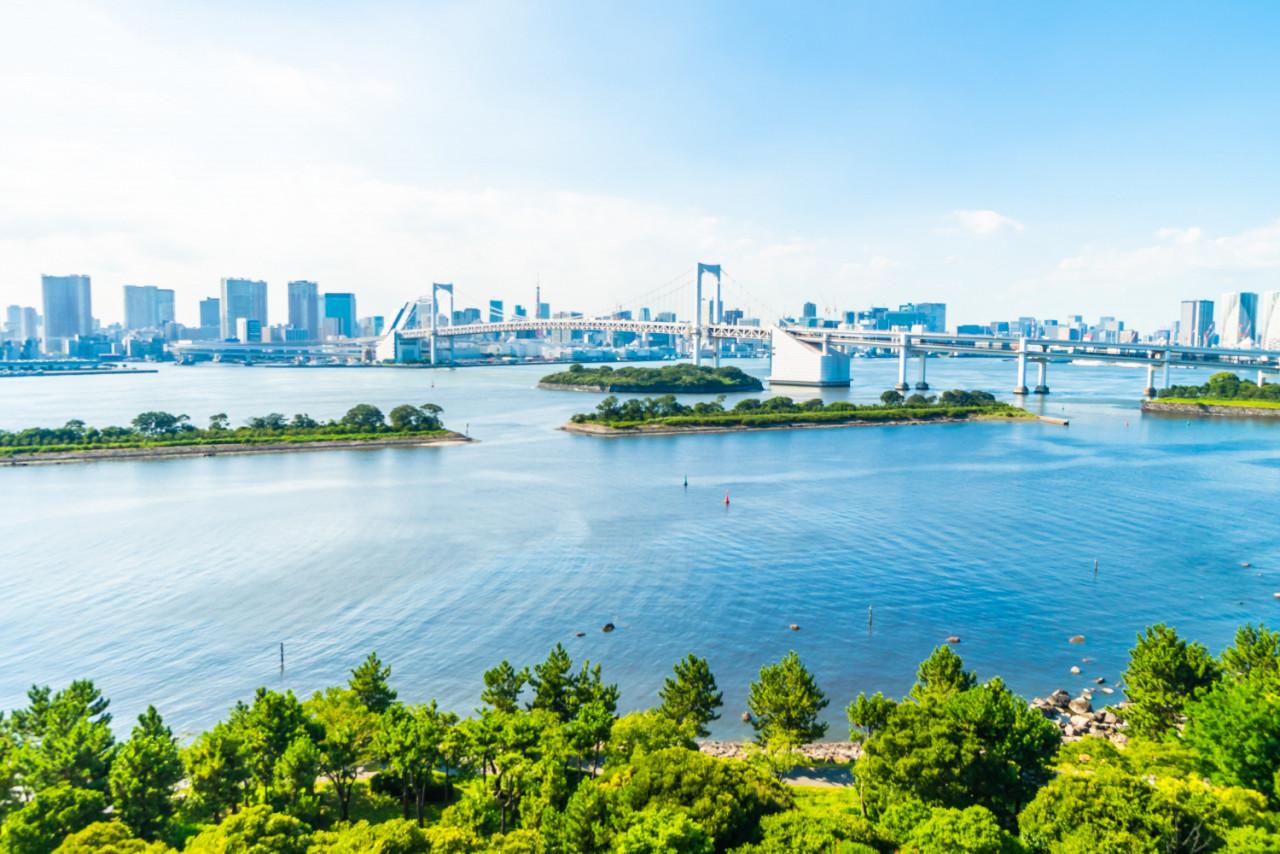
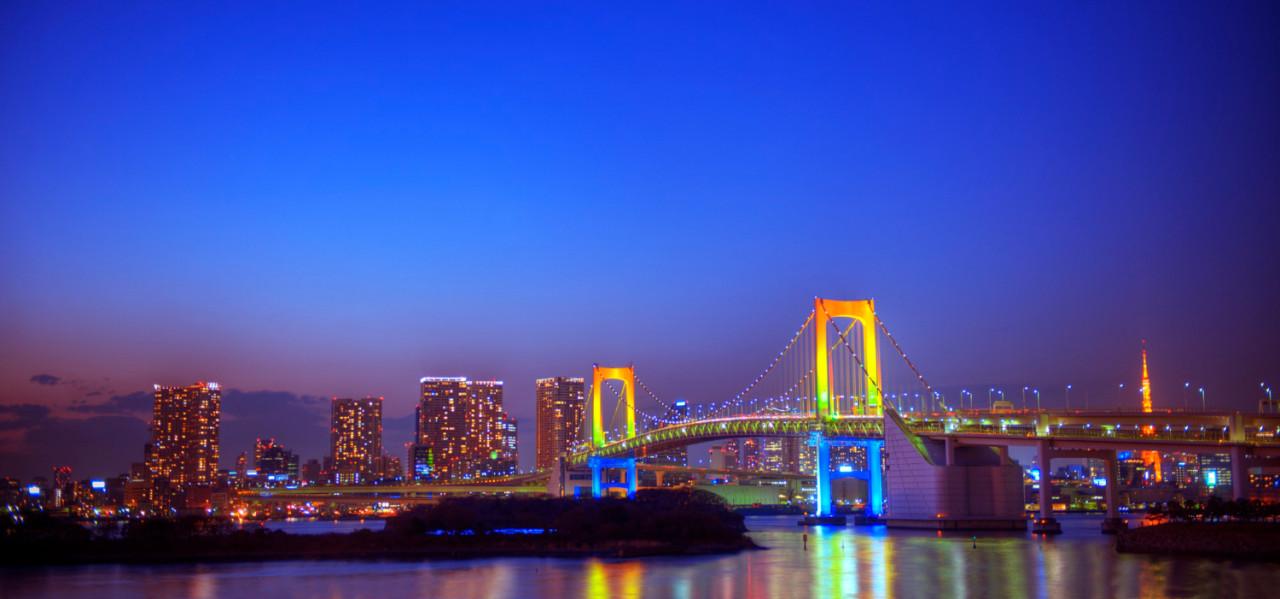 An artificial island located in the Tokyo Bay area, it was built during Japan's speculative bubble. Everything here was built to be pleasant and innovative and in fact it is the perfect area to relax and have fun.
The district came into being towards the end of the Edo period (1868) under the Tokugawa shogunate and involved the construction of 11 small islands. Of these only 6 were built.
The main activities to do here are shopping, walking around the various areas, admiring the beautiful view (especially at sunset) of the Rainbow Bridge, the main element of Tokyo's sky-line. For a panoramic and general, and very relaxing, view, you can join one of the many cruises.
The island is easily reached by the Yurikamome elevated train line, which takes you from Shimbashi station to Daiba station. Trains depart within minutes of each other and the journey time is about 15 minutes - Get directions.
 Selfie with Gundam: the super robot is the symbol of Odaiba. In front of the shopping centre is the life-size statue, more than 20 metres high, made of metal. Impressive. The current version is the Gundam Unicorn, which replaced the more traditional Gundam Mobile Suite. The robot also undergoes transformations that last about 1 minute four times a day (11:00, 13:00, 15:00 and 17:00), and in the evening, from 19:00 to 21:30 every half hour, there is a performance with Gundam-themed animations, projections and music!
19 - Tokyo Disneyland
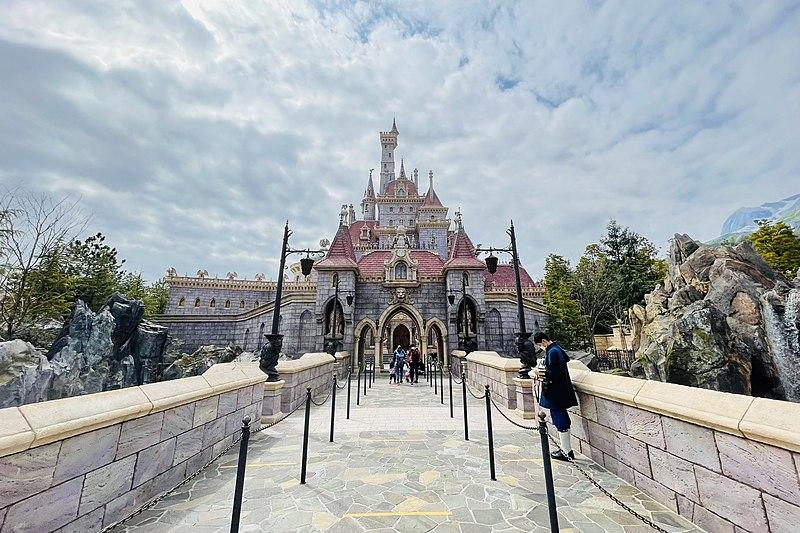 Photo by nagi they use.
 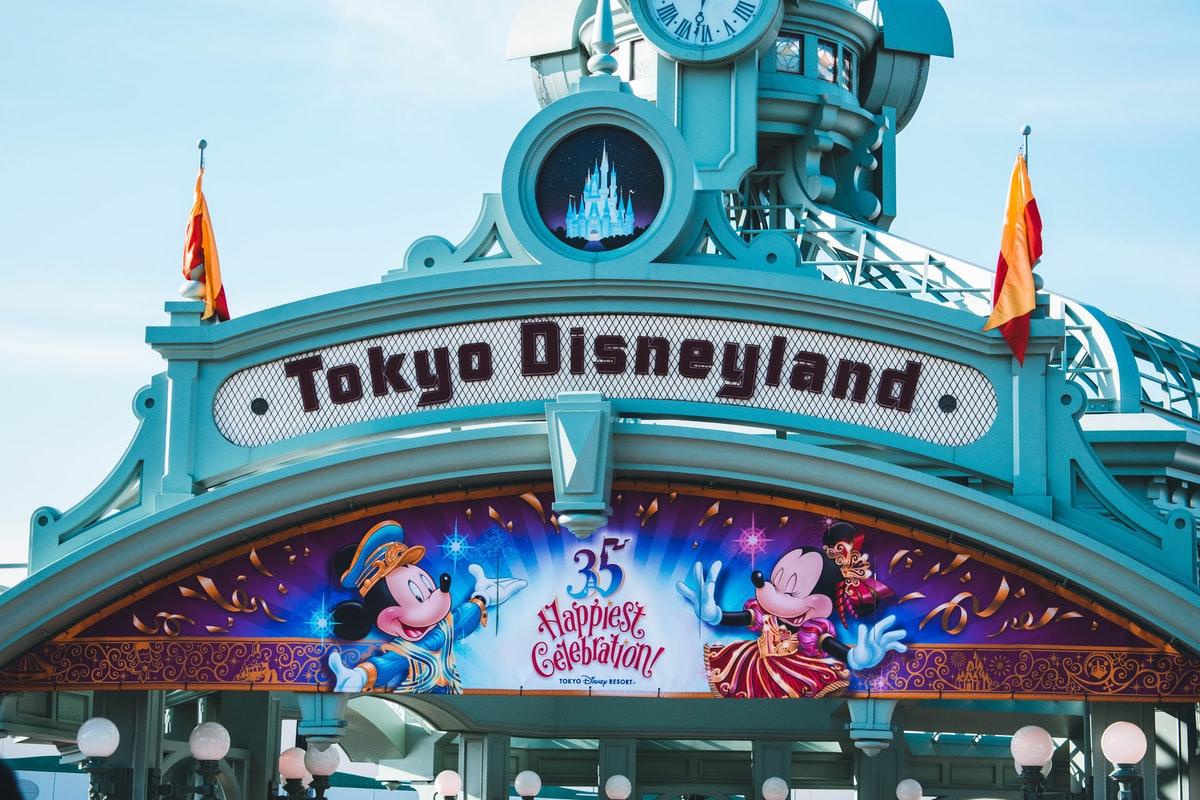 A major city and national attraction! Tokyo Disneyland is a large amusement park located in Urayasu. The Tokyo park follows the structure of California's Disneyland and Florida's Magic Kingdom.
It is a kind of 'city within a city', where you can spend an entire day among 39 attractions and numerous dining, shopping and relaxation spots. Everything is divided and organised into 7 thematic areas: World Bazaar, Fantasyland, ToonTow, Tomorrowland, Adventureland, Westernland and Critter Country. The natural continuation of Tokyo Disneyland is Tokyo DisneySea, another park boasting 27 attractions with water and river settings.
Watch out for queues: if possible, it is best to avoid weekends, public holidays and the height of summer, as these are the busiest periods.
Practical info: directions, times and prices
How to get there: on a peninsula just outside the city, it is easily reached by transport. The stop that takes visitors to the main entrance of the park area is called Maihama Station; JR Keiyo and JR Musashino Lines trains stop there, both included in the Japan Rail Pass - Get directions
Hours: vary according to season and special events. Open between 8.30am-9pm, close between 6.30pm and 10pm. See official website
Ticket price: full day ticket 8,200.00 Yen (€65.00), concessions 6,900.00 Yen (€54.60), children 4,900.00 Yen (€38.80). Possibility of multi-day tickets, Fastpass and annual subscriptions, see official website
20 - Kinuta Park
 '/>"/> Photo by Ganden. Less famous, and therefore quieter for admiring the cherry blossom, Kinuta Park in Setagaya is home to over 900 different varieties of cherry trees!
But the cherry trees are not the park's only attraction. In addition to the many plant species that provide ever-changing landscapes as the blossoms change with the seasons, theBird Observatory is also highly coveted. This is an area where 12 to 13 types of wild birds such as the calgamo and kosagi fly around and can be admired without disturbing from the observation window. While the more fearless can venture onto the suspension bridge that crosses the Tanito River! Also in the Setagaya district, cat lovers should visit the Gotoku-Ji, an ancient Buddhist temple known for its arrays of maneki-neko: the classic figure of a cat with one paw raised.
It is a 20-minute walk from the Tokyu Denentoshi 'Yoga' line or get off at the Tokyu Coach Bus stop (for the museum) 'Museum' Tokyu Bus stop (for Rural Chofu) 'Ki Park Ryokuchi Iriguchi' Odakyu line 'Narujo Gakuenmae' - Get directions.
Getto know the king of all Japanese cherry trees: the king of all Japanese cherry trees is a real giant, his name is Jindai Zakura and he is a youngster, "only" 2,000 years old! Its trunk reaches a circumference of 13.5 metres. Unfortunately, it is located 100 km from Tokyo, at the Jissou Temple in the Yamanashi prefecture.
Other attractions to visit
 The most important and well-known attractions are concentrated in very specific areas; but Tokyo is huge, and if you have more days to spare or it is not your 'first time' in the capital, then you can explore 'secondary' areas. We present them to you.
You can also go shopping in less touristy areas: the chic and quiet Daikanyama, where you can stroll among designer boutiques and elegant cafés, and the romantic and vintage Naka-Meguro, among independent shops and cafés overlooking the Meguro river lined with numerous cherry trees. Generally not included in classic tourist itineraries, Bunkyo is a district that nevertheless offers a wide variety of places of interest. These include the Yushima Seido temple dedicated to Confucius and the Yushima Tenjin Shrine, linked to kami protector of letters and studies. Not far from the latter is the Kodokan, the historic headquarters of Judo, a refined martial art. The Kamata district, on the other hand, is very lively and has numerous izakaya (a kind of typical Japanese restaurant-pub). Kamata-Tokyu-Eki-mae-Dori-Kai street is particularly well known.
Also worth mentioning is the Koishikawa Koraku-En, an ancient garden dating back to the Edo Period whose composition centres on three ponds around which famous landscapes of China and Japan are recreated. Also from the Edo Period is Rikugi-en, a garden once reserved for feudal lords (300.00 yen/€2.40).
Nakano is a must-see destination for fans of anime, manga and collectibles. Among the many shops, the famous Mandarake chain sells everything that can thrill an otaku.
Also very characteristic is the Nezu Museum, created by an entrepreneur with a passion for art and an ardent follower of the Way of Tea. On display are numerous Japanese and Oriental art objects from the pre-modern era and a rich collection of Chinese bronzes and utensils related to the tea ceremony (1,000.00 yen/€8.00).
13 things to do in Tokyo
Hike to Mount Fuji
Visit the Shinjuku Samurai Museum
Cruise on the Sumida River
Ride around the city in a go-cart like Supermario Bros
Fun at Kawaii Monster Cafe
Ramen in Tokyo Ramen Street
1/13
Take an excursion to Mount Fuji: visit the Hakone area and sacred Mount Fuji, discover the Ninja at Oshino Village, and visit Lake Kawaguchi in the Five Lakes of Fuji area.
Visit the Samurai Museum in Shinjuku: immerse yourself in the authentic spirit of the warriors, discover their history, secrets and unrivalled collection of swords and armour.
River cruise: Take a cruise on the Sumida River and Tokyo Bay from Asakusa to Odaiba to see the city skyline from a different perspective, preferably at sunset.
Selfie withHachiko: taking a selfie with the Hachiko statue is a must! The dog has become famous for his great loyalty, and a film was even made about his story.
Ride around the city in a go-cart as Supermario Bros: a memorable experience, complete with themed clothes! You'll ride through the city's most iconic areas like a video game character!
Fun at Kawaii Monster Café: one of the most popular venues in Tokyo, and also one of the strangest. The interior is so colourful and has so many lights that it is almost psychedelic, with special features such as the carousel with teddy bears or the jellyfish bar.
Break in a Neko Café: the famous Neko Cafés (or Cat Cafés) are places where you can have a drink in the company of cuddly cats, and they originated in Tokyo. If you want to try something more extreme, then go to an Owl Café, where instead of cats you'll find owls!
Lunch in an Izakaya: this is a typical place that is somewhere between a pub, a bar and a restaurant. Ideal for mingling with the locals and indulging in anything from a simple drink to a full meal.
Break at a Maid Café: drink coffee and be treated like royalty in a Maid Café. Here, a pretty maid, or waitress, is dressed in Victorian-French style.
Manga at Mandarake: this is the largest distributor of manga and anime in the world! A must if you are a fan, but also for the merely curious.
Ramenin Tokyo Ramen Street: this is a street much loved by the Japanese themselves, because here you can find places that serve the best ramen in the whole city! If you want to taste this traditional dish then come here.
Meeting a geisha: enter a modern ochaya, exclusive places located in a hanamachi (geisha quarter) that can only be accessed by invitation. Here, geisha entertain guests with singing, dancing, games and conversation.
Sushi course: take classes in an informal setting, where an experienced Japanese chef will teach you step-by-step the secrets of preparing 8-9 different kinds of sushi!


